
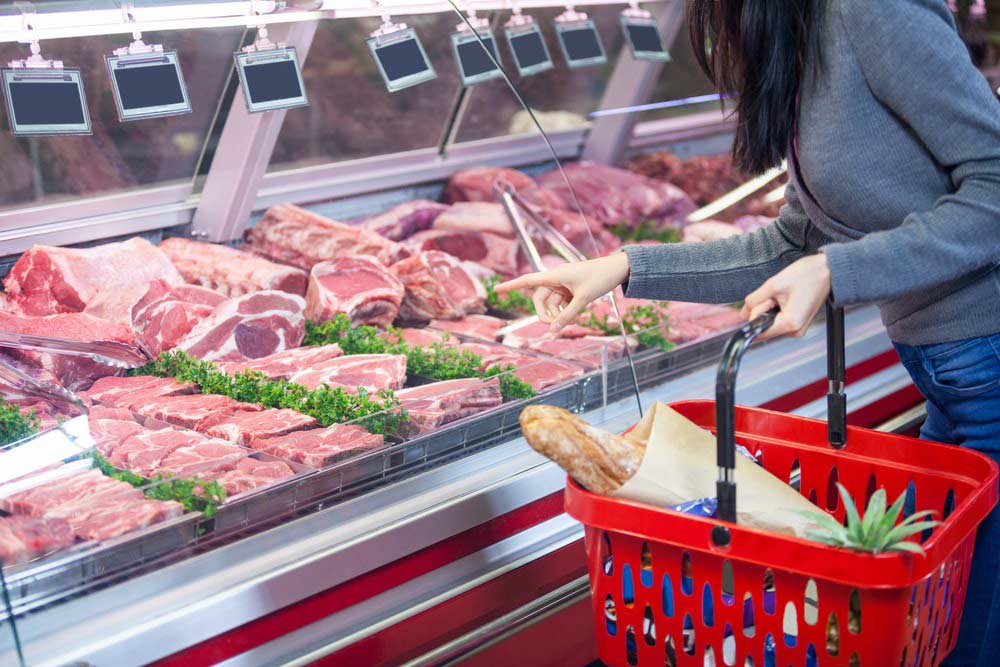
Walk into any Indian grocery store and the first thing you'll probably notice is the meat section. If you’ve ever wondered how grocery stores keep meat fresh and safe, it all comes down to systems most customers never see. The way the cuts are laid out, how everything is packed, how clean the display looks — it tells you a lot before you even ask anyone a question. Fresh meat doesn't just stay fresh on its own. Behind every well-stocked counter, there's a whole system running quietly — the right equipment, trained staff, and a routine that doesn't get skipped. Curious about what that actually looks like day to day? Let's get into it, starting with how stores keep meat fresh and working our way back to the cold chain process that holds everything together.
Keeping fresh meat safe goes way beyond just plugging in a refrigerator. Consistency is what actually matters. Staff checks display case temperatures multiple times throughout the day, stock gets rotated so older cuts move first, and anyone handling meat is trained to use clean gloves and sanitized tools every single time — not just when someone's watching.
Packaging matters more than most people realize. A lot of stores use something called modified atmosphere packaging, where the oxygen inside sealed trays gets replaced with a specific gas mixture that slows down bacterial growth. On top of that, display cases get cleaned daily, and if any piece of meat looks off or smells even slightly wrong, it comes off the shelf right away. There's no "let's wait and see" with meat.
Here's the thing, though — all of this only works if the meat showed up cold in the first place. Everything inside the store depends on what happened before it even got there. That's exactly where the cold chain process comes into the picture.
The food cold chain is simply an unbroken line of refrigerated steps that keeps meat safe from the farm all the way to your plate. Every stage — slaughtering, processing, packaging, moving it across the country, and finally putting it out on display — has to stay within the right temperature range. Skip or mess up even one of those stages and the whole thing falls apart. It's not really a logistics concept when you think about it — it's what food safety is built around.
When the cold chain breaks — even briefly — bacteria multiply fast. Pathogens like Salmonella, E. coli, and Listeria thrive at temperatures between 4°C and 60°C, a range food safety experts call the "danger zone." A two-hour lapse at room temperature can render perfectly good meat unsafe to eat. This is why cold chain compliance isn't optional. It's the difference between safe food and a public health risk. Temperatures, as you'll see, need to be controlled precisely at every single stage.
This is where refrigerated transport becomes critical. Meat is loaded into
temperature-controlled trucks
almost immediately after processing, typically kept between 0°C and 4°C for red meat, and close to 0°C
for poultry and seafood.
Why does this matter so much? Because each type of meat has a different shelf life:
When refrigerated transport is done right, that shelf life is preserved by the time meat reaches the store. When it isn't, shelf life shrinks dramatically before the product even hits the shelf. Every degree matters — which is exactly why storage standards inside supermarkets are built around tight temperature rules.
When meat finally makes it to the store, the job is far from over. Most grocery stores follow USDA and FDA food safety guidelines when it comes to fresh meat storage temperature — raw meat has to sit below 4°C and anything frozen needs to stay at -18°C or colder. That's not just during morning checks — it has to stay that way all day and all night. A lot of stores have moved to digital temperature logging so nothing gets missed between manual rounds.
Date labels are something both staff and shoppers should actually understand. The "sell-by" date is really a staff instruction — it's when the product needs to come off the shelf. The "use-by" date is what customers should pay attention to — that's the last day the meat is safe to eat. "Best-before" is a little different — it's more about quality than safety, meaning the product might still be okay after that date, just not at its best anymore. Knowing which is which makes a real difference at the counter and at home. And once all of this is in place, there's still one more thing quietly running in the background that keeps it all from falling apart — hygiene.
Hygiene in a meat section isn't just about cleanliness — it's about preventing cross-contamination. Staff handling fresh meat wear gloves and change them between different types of meat. Cutting boards, knives, and surfaces are sanitized between uses. Meat is never stored near ready-to-eat foods.
Many Indian grocery stores also follow HACCP (Hazard Analysis and Critical Control Points) protocols, a globally recognized food safety system that identifies and controls risks at every stage of handling. Staff training is ongoing — not a one-time event.
Keeping meat safe every day is not a one-step job. It takes a full system working together — people who know what they're doing, storage that never cuts corners, labels that are honest, hygiene that doesn't slip, and a cold chain that stays intact from the farm all the way to the shelf. When every single one of those pieces falls into place, customers walk out with meat they can actually feel good about. Triveni Supermarket takes all of this seriously, which is why it stands out as one of the most trusted grocery stores in Concord for fresh, safe, and quality meat every day.
A:The food cold chain is a series of refrigerated steps that keeps meat and other perishables safe from the farm all the way to your plate without any temperature breaks in between.
A:Most stores pull expired meat off shelves before it hits that date. Depending on the store's policy, it either gets discarded, sent back to the supplier, or in some cases donated before the use-by date passes.
A:Chicken and seafood are good for about 1–2 days. Beef and lamb can last 3–5 days. Always keep your fridge below 4°C and check the use-by date before cooking anything.
A:You can find fresh meat at local butcher shops, supermarkets, and Indian grocery stores in Concord. For halal or specialty cuts, Indian and ethnic grocery stores are usually your best bet for quality and variety.
A: Use a good insulated cooler packed with dry ice or ice packs. Keep the meat sealed and as close to -18°C as possible throughout the journey. The less it warms up, the safer and fresher it stays.


All Rights Reserved, Copyrights © Triveni Supermarket
Powered By
Aries
Connects
World Inc.


