
Some desserts need no introduction, and gulab jamun is one of them. Put a bowl of these soft, syrupy golden dumplings on the table and the conversation stops for a moment. Of all the Indian sweets people reach for, from creamy rasmalai to crumbly laddoo and melt-in-your-mouth barfi, gulab jamun is usually the first to vanish at weddings, birthdays, and Diwali parties. If you’ve been exploring Indian food in Maryland, chances are you’ve had one (or three) already. This guide covers what gulab jamun is made of, how it’s best served, and why it holds a special place among Indian sweets.
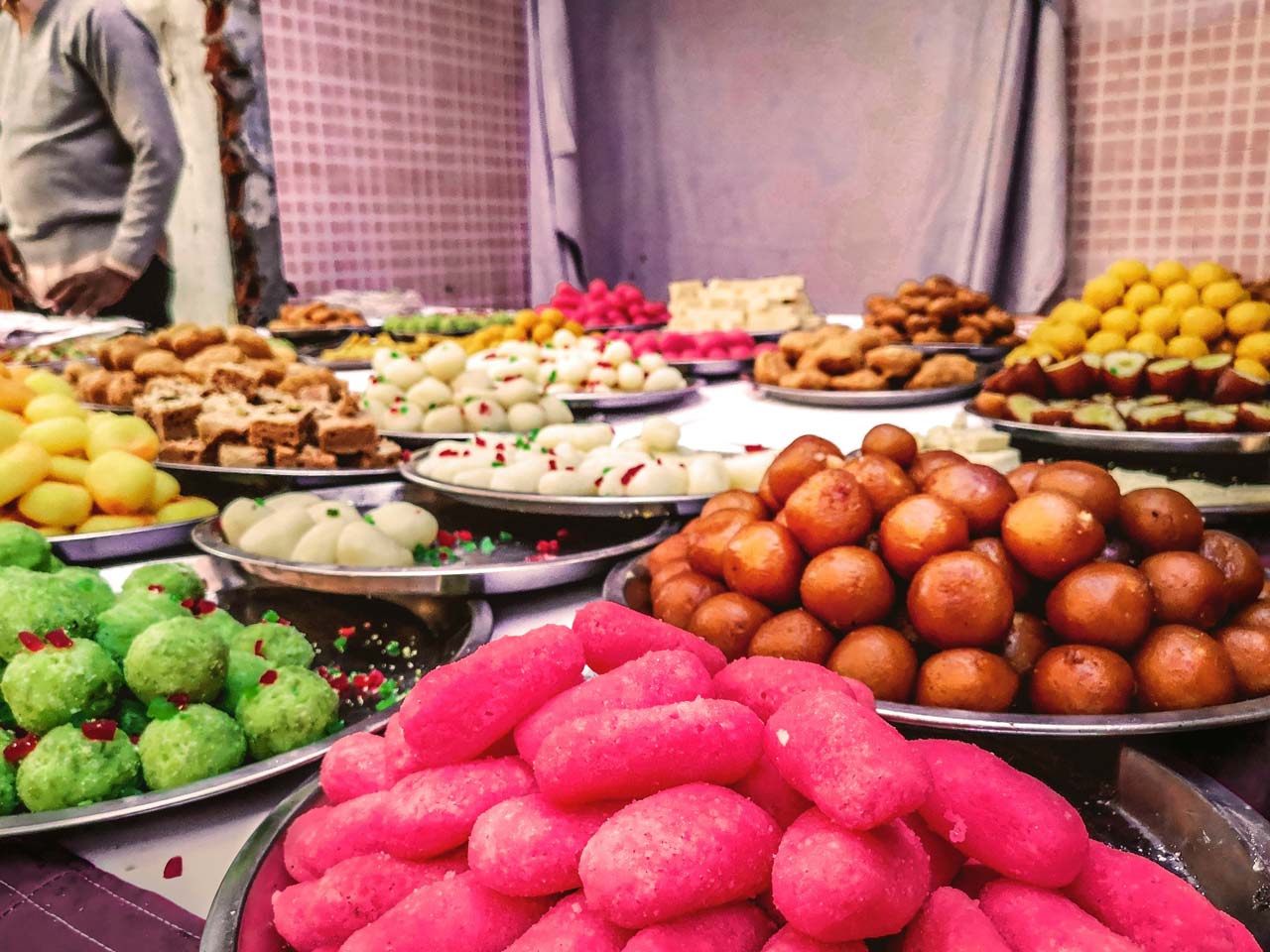
Think of Gulab jamun as a tiny milk-based doughnut that spends time in warm syrup. The dough is shaped into smooth rounds, fried gently until brown, and left in sugar syrup so each piece drinks it up. What you get is a dessert that’s soft in the middle, sticky on the outside, and sweet from the first bite to the last. Cooks traditionally use milk solids or milk powder for that creamy richness.
The name explains a bit about it. “Gulab” means rose, and it refers to the rose-scented syrup, while “jamun” is a deep purple fruit whose color and shape the dumplings echo. Many historians believe the sweet evolved from fried dough treats brought by Persian-speaking visitors to India, where cooks swapped in milk and local spices. Whether it’s a festival, a wedding, or an ordinary family dinner, it’s always welcome.
Gulab jamun doesn’t ask for much, and that’s part of its charm among Indian sweets. The dough starts with khoya or milk powder, a little flour for structure, and just a pinch of baking soda to keep the jamuns light. Mix gently, rest briefly, and roll into smooth, crack-free balls. Ghee or a neutral oil is used for frying.
Next comes the syrup. Heat sugar and water together over steady heat until it dissolves, then stir in cardamom, saffron, or rose water for aroma. It’s the same fragrant base you’ll find in many other Indian sweets, from rasgulla to jalebi.
Frying takes the most care. Strong heat darkens the shell before the inside sets, so keep the flame gentle and let the jamuns turn brown at their own pace. A heavy hand with the dough also leads to dense, hard results. As with most Indian food, good technique matters far more than a long ingredient list, and that’s why even simple sweets like this one can taste so special when they’re made well.
Serve them warm for the softest bite. Drop two jamuns into a bowl, spoon syrup on top, and you’re ready. Warmth brings out the cardamom and keeps the texture silky. Want something fancier? Scatter chopped pistachios or a pinch of saffron over the top.
Add a scoop of vanilla ice cream for a warm-cold contrast. The mix of hot and cold surprises people in the best way, and it’s a great starting point for friends new to Indian desserts. If frying sounds like too much work, grab a box from a bakery or sweet shop and warm the jamuns in the microwave for several seconds, heating the syrup separately. Extra jamuns stay fresh in the fridge for several days. Plan on two pieces per person since they’re rich, but keep extras nearby because seconds are common.
Ask people about Maryland food and crab cakes usually come up first. But a big, growing South Asian community has made Indian food in Maryland part of everyday life too, whether that’s a quick weeknight curry, a Saturday chaat plate, or a box of Indian sweets picked up for a family gathering. Between restaurants, sweet shops, and neighborhood grocery stores, a good meal is never far away.
Among all those Indian sweets, gulab jamun has a way of quietly earning repeat orders. It shows up at graduation parties, birthday dinners, and community festivals, and even people who rarely cook Indian food at home know its name. It’s soft, sweet, and never spicy, which makes it the dessert that often wins over first-time visitors to Indian cuisine. In many homes, it’s also the last treat of the night, the one everyone somehow finds room for.
Every great dessert has a moment, and for gulab jamun it comes with the first spoonful. The syrup is warm, the center is tender, and the room goes quiet for a second. That small pause is why this sweet has stayed a favorite for generations. It never goes out of style. Make a batch for your next celebration, pair it with a little ice cream, and watch how quickly the bowls empty. And if you’d rather skip the frying and get straight to the good part, Triveni Supermarket in Ellicott City, Maryland, is a lovely place to pick some up.
A: Soaking allows the fried dumplings to absorb the sweet, aromatic syrup, making them soft, moist, and flavorful throughout.
A: Yes! Gulab jamun pairs wonderfully with vanilla ice cream. The contrast between warm, syrupy dumplings and cold, creamy ice cream creates a delicious dessert combination.
A: Gulab jamun can be served warm, at room temperature, or chilled. Many people enjoy it warm because the soft texture and fragrant syrup make it especially comforting.
A: Gulab jamun has a rich, milky sweetness with a soft, spongy texture. Its syrup often adds subtle floral and warm spice notes from rose water and cardamom.


All Rights Reserved, Copyrights © Triveni
Supermarket
Powered By
Aries Connects World Inc.


